
From The Blog
Keep up with news about Made.
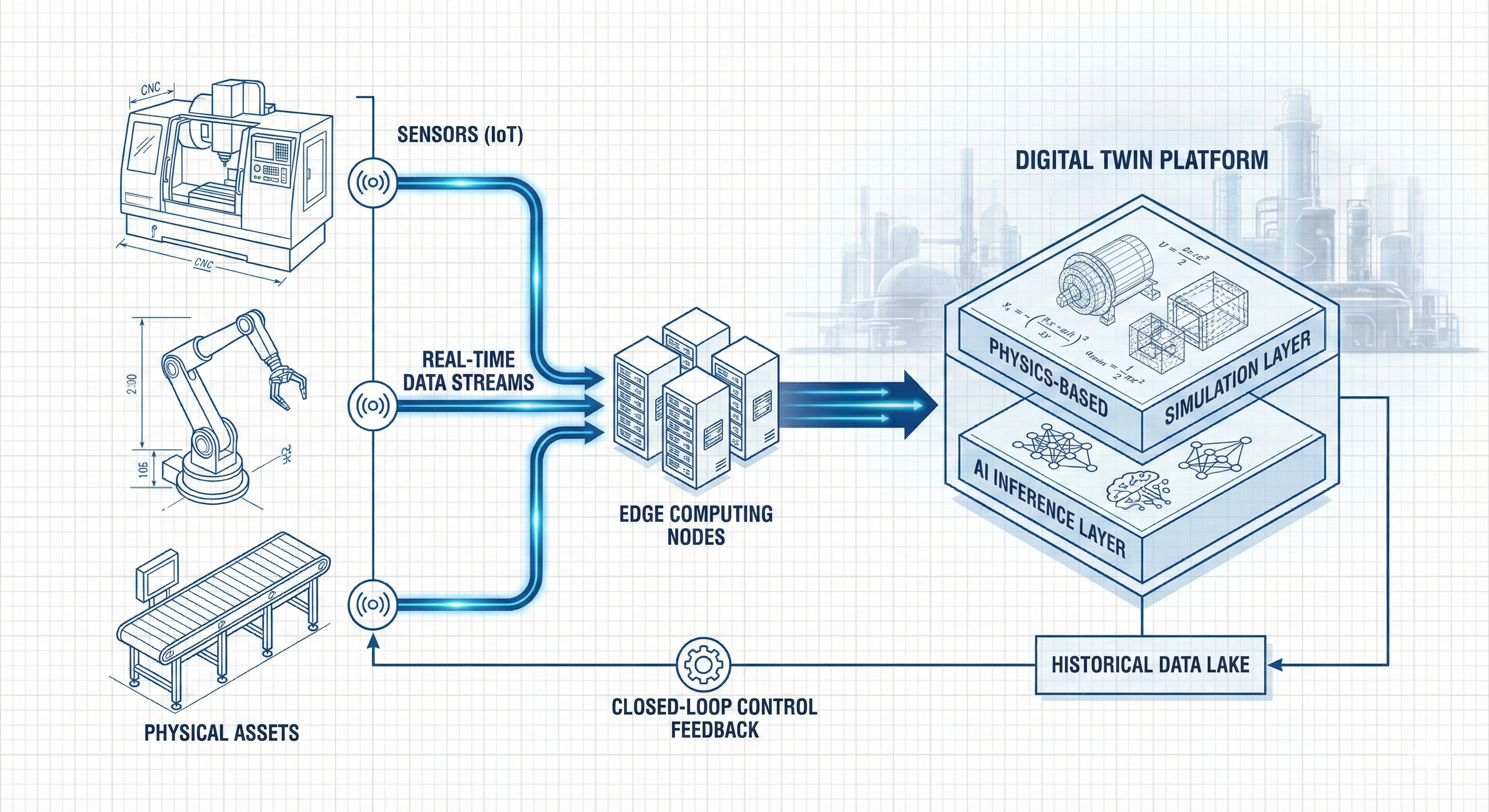

Why Digital Twins Are Becoming the Operating System of Autonomous Factories
Digital twins are evolving into the real-time operating system of autonomous factories by enabling physics-based modeling, AI, and machine-speed decision-making.
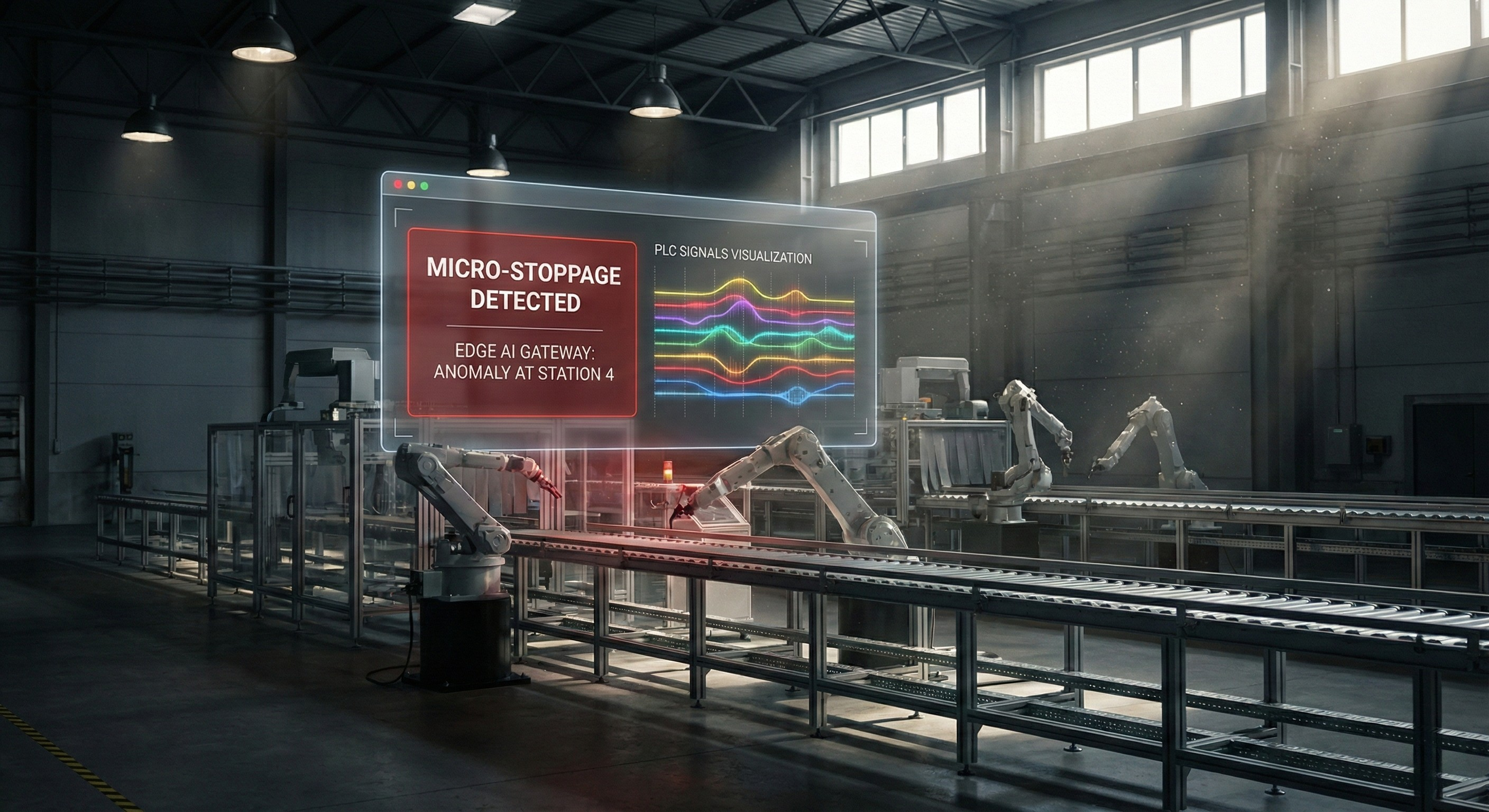
Micro-stoppages: the hidden cause of manufacturing inefficiency and how AI detects them
Micro-stoppages reduce OEE and manufacturing efficiency. Learn how industrial AI and edge computing detect micro-stoppages in real time and improve production stability.
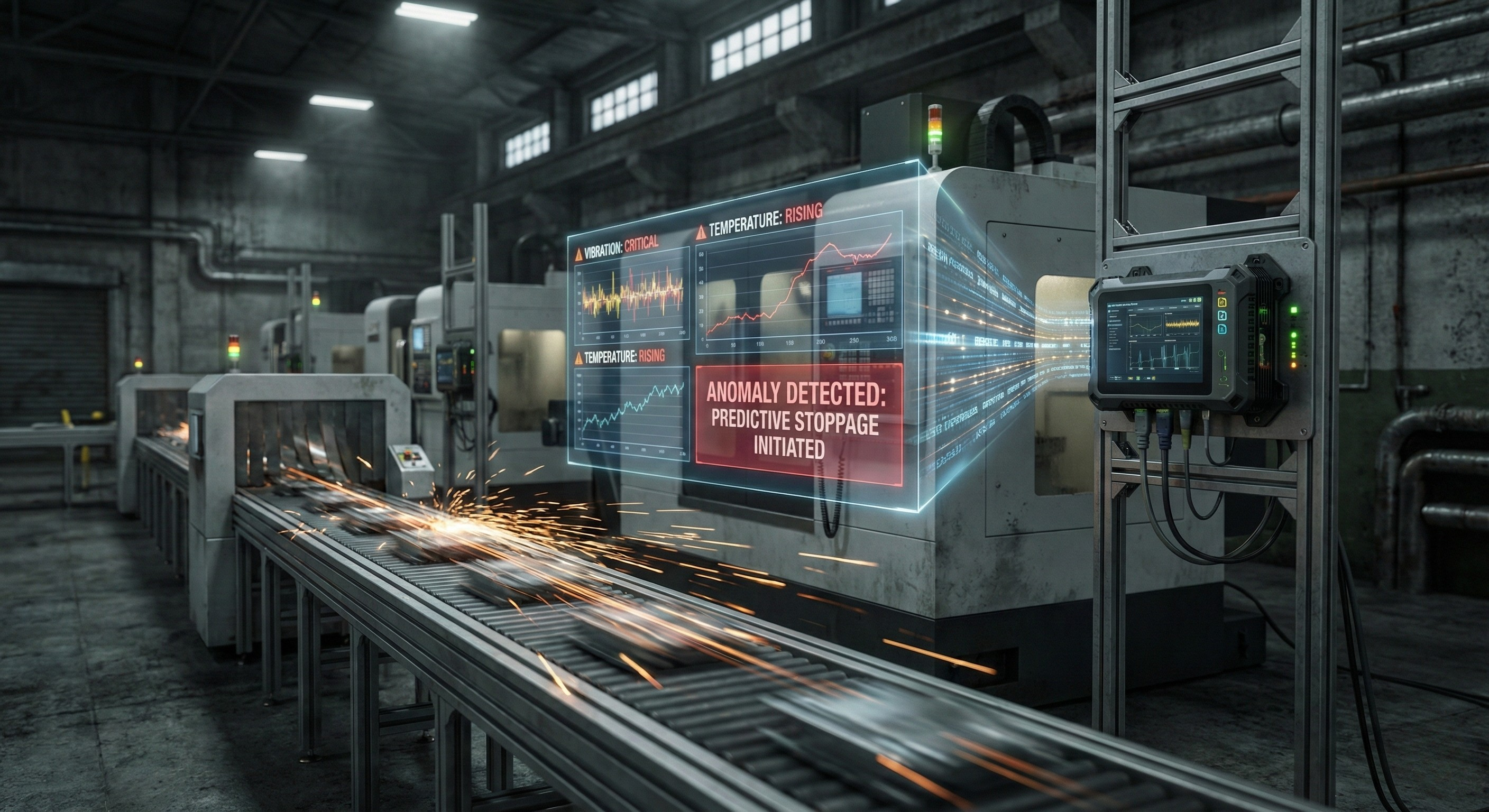
What causes unplanned downtime in manufacturing and how AI prevents it
Unplanned downtime in manufacturing is caused by undetected anomalies such as micro-stoppages, mechanical degradation, and process instability. Learn how industrial AI and real-time anomaly detection prevent downtime and improve OEE.
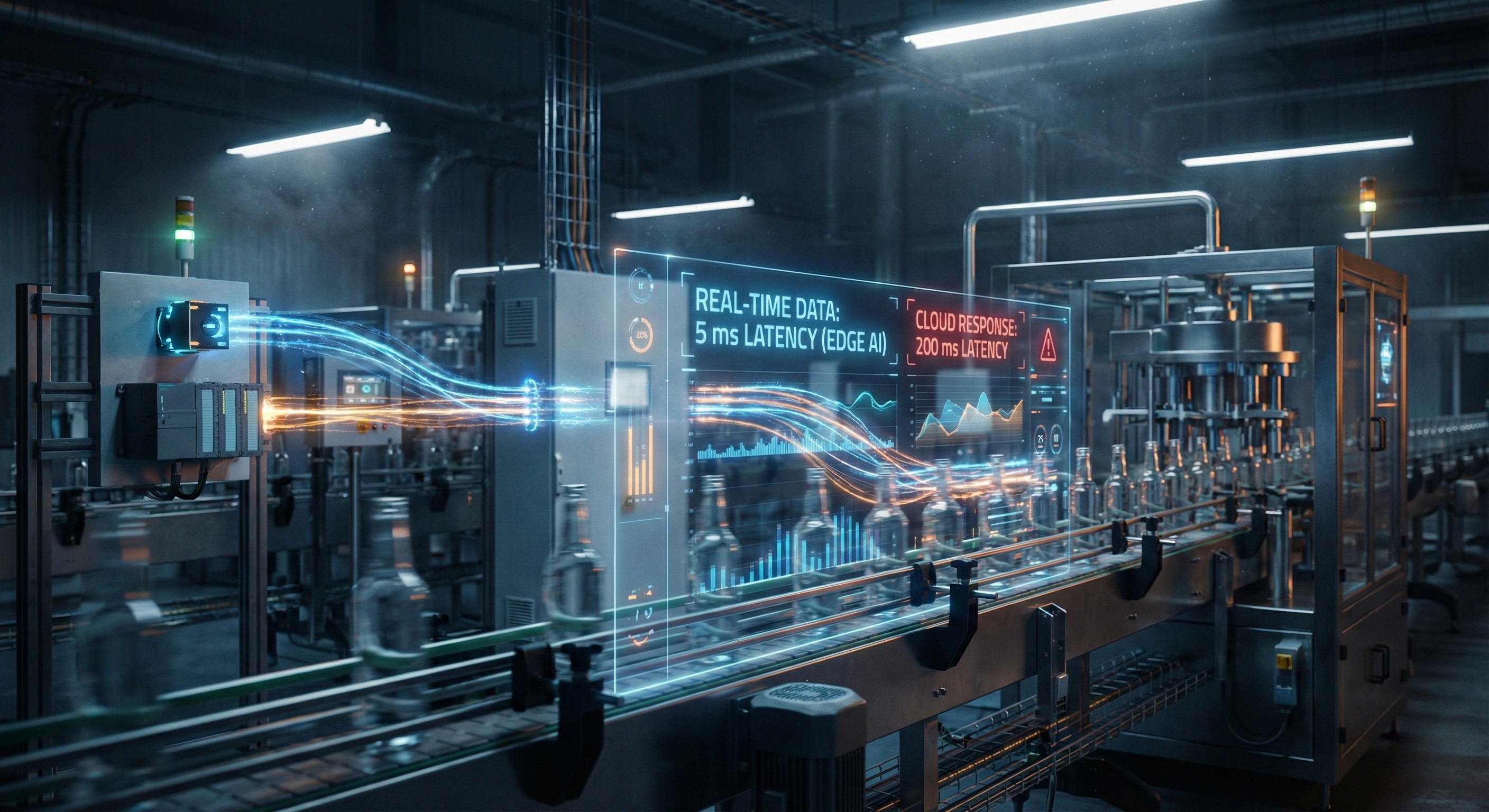
Why latency is the biggest barrier to Industrial AI and why edge computing enables real-time manufacturing intelligence
Latency is the critical constraint in industrial AI. Learn how latency affects defect detection, predictive maintenance, and autonomous manufacturing, and why edge computing enables deterministic real-time machine-speed decision making.
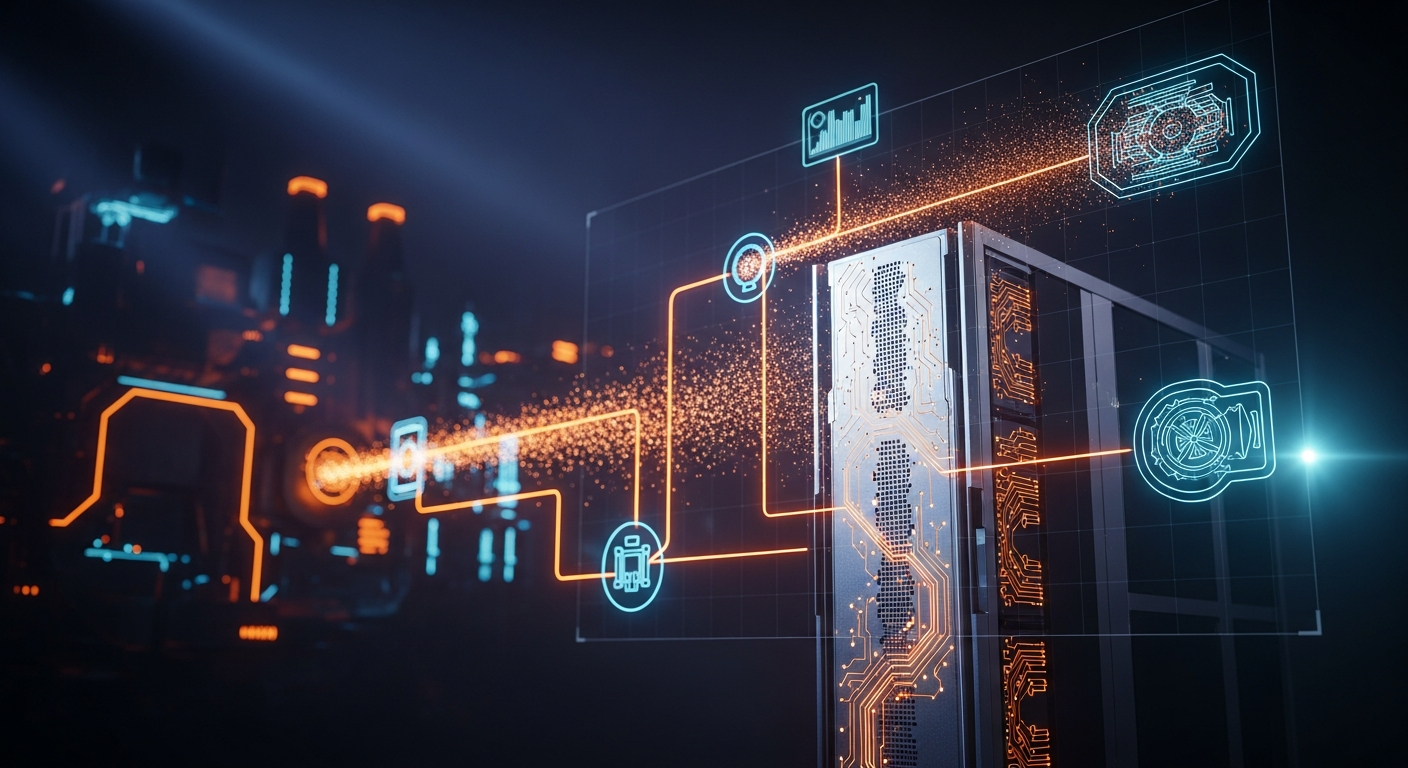
What is Industrial AI and why factories are migrating to edge-first systems
Industrial AI enables real-time anomaly detection, predictive maintenance, and autonomous manufacturing. Learn why factories are migrating to edge-first AI systems.

Edge Computing for Real-time Industrial Processing
Manufacturing does not happen in the cloud.
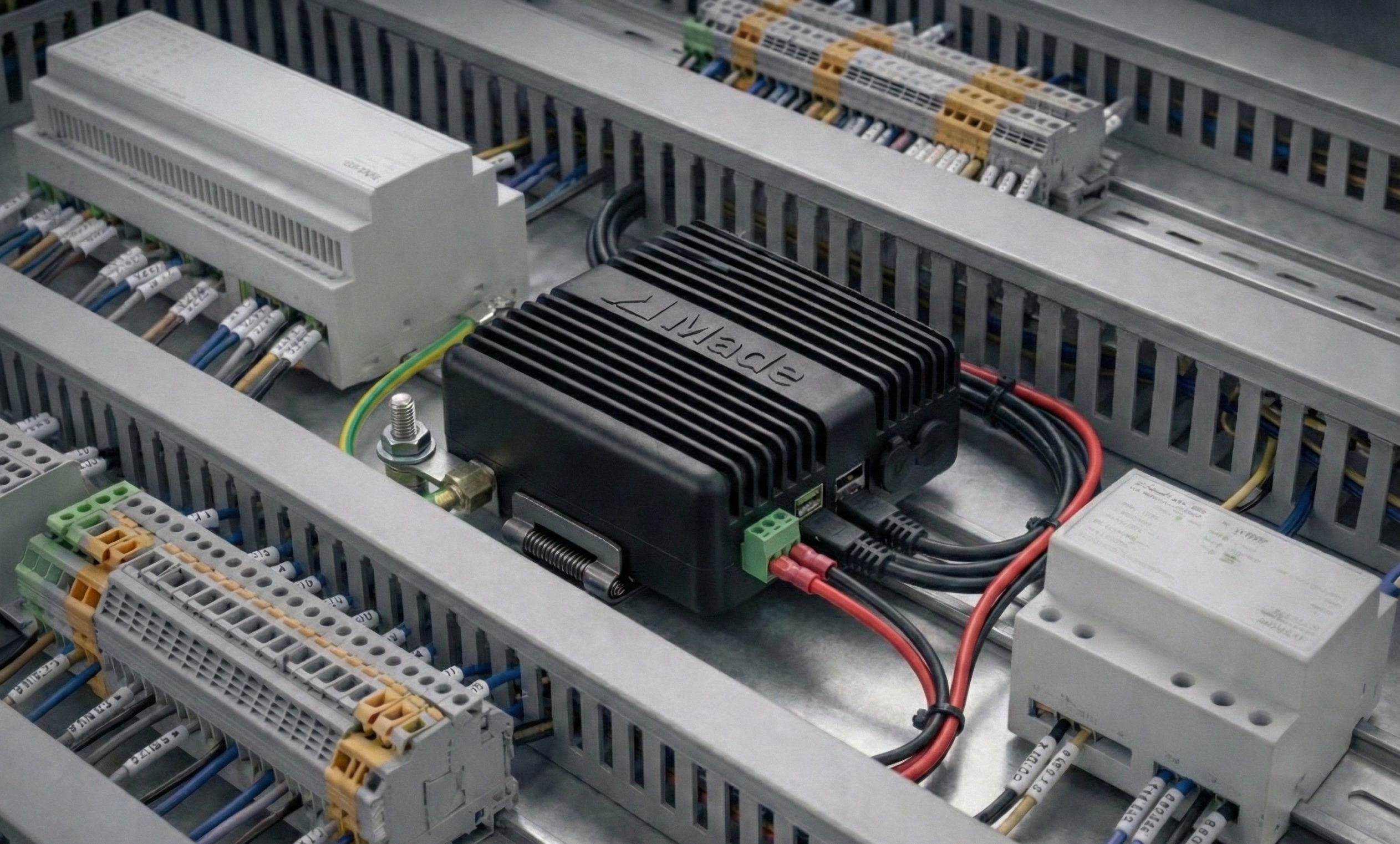
Introducing the Made Gateway "Zero"
The Made Gateway enables AI models to operate where milliseconds matter

Computer Vision in High-Speed Beverage Bottling: Real-Time Defect Detection and Quality Control
Computer vision enables real-time defect detection in high-speed beverage bottling lines, reducing scrap, downtime, and quality losses without slowing production.
Signup to our blog
Receive deep architectural analysis, new agent capabilities, and news directly in your inbox.